Duck Border Review: Elevating Boutique Sweatshirt Collections
As an experienced embroidery designer who has spent years refining the look and feel of custom apparel, I am constantly on the hunt for design assets that can transform a simple garment into a statement piece. Recently, I came across the Duck Border machine embroidery design while scouting for a new collection for a small boutique brand. My task was to evaluate whether this specific design could hold its own on premium sweatshirts, oversized hoodies, and cozy seasonal apparel. This review is not just a product description; it is a real-world case study of how Duck Border fits into the workflow of an Etsy seller or a creative entrepreneur looking to elevate their handmade products.
The First Impression: Mood and Design Personality
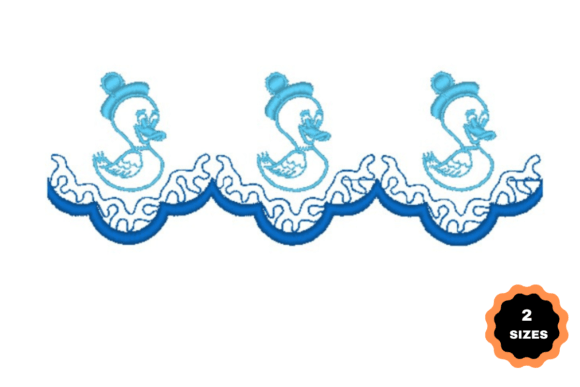
When you first open the file for Duck Border, the immediate feeling is one of playful charm mixed with decorative elegance. The title suggests a whimsical theme, but as a professional, I need to know if it translates well onto heavy cotton fleece. The description promises an "extraordinary look" and notes that it comes with multiple options, which is crucial for versatility. In my initial evaluation, the design feels less like a generic clip-art border and more like a curated accent meant to frame a garment.
The mood is undeniably cute and playful, yet it possesses a level of sophistication that allows it to work in both rustic and modern settings. It strikes a balance between being feminine and bold enough to stand out against the texture of a thick sweatshirt fabric. For a boutique brand, this personality is gold. It does not scream "cheap novelty"; instead, it whispers "handmade quality." This distinction is vital when building trust with customers who are willing to pay a premium for a finished product that looks professionally crafted.
Visualizing Duck Border on Fabric Textures
Imagine taking this embroidery file and placing it on a neutral oatmeal-colored crewneck. The contrast would be soft and inviting, perfect for a lifestyle product photography shoot where the goal is to highlight comfort and style. However, the true test of any commercial embroidery design lies in its performance on darker fabrics. If we were to stitch Duck Border onto a charcoal or navy hoodie, the thread colors would need to pop without getting lost in the weave.
I envision this design being particularly striking on pastel colors, such as lavender or sage green, where the border acts as a delicate framing device. For oversized hoodies, which are currently dominating the market, a border design offers a unique opportunity to break up the vast negative space of the back panel or create a stylish cuff detail. The layout of Duck Border suggests it could serve as a chest placement accent or run along the hemline, adding a touch of custom apparel flair that mass-produced brands simply cannot replicate.
Strategic Placement for Small Shop Products
For an Etsy seller or a digital seller looking to expand their catalog, knowing where to place the design is half the battle. Here is how I see Duck Border functioning in a real production environment:
- Hoodie Chest Placement: A subtle application on the left chest area creates a refined logo-like effect, elevating the perceived value of the item.
- Sleeve Accents: Running the border down the length of the sleeve adds a dynamic element that catches the eye during movement, perfect for social media content.
- Back Designs: Using the border as a framing element around a central graphic or text can create a cohesive brand identity on limited drop collections.
- Boutique Merchandise: Beyond clothing, this design could be adapted for tote bags or beanies, maximizing the utility of your design assets.
Technical Considerations for Production
Moving from concept to creation requires a critical eye on technical details. When preparing Duck Border for a sweatshirt project, stitch density is the first factor to analyze. Embroidery on fleece can sometimes cause puckering if the design is too dense, so ensuring the stitches are balanced is essential for a smooth finished product. While the exact stitch count isn't specified here, a professional review always involves checking the density to ensure it holds up over time.
Fabric thickness plays a massive role in hoop placement and stabilizer choice. Sweatshirts require a sturdy cut-away stabilizer to support the weight of the threads and prevent the fabric from distorting. With Duck Border, I would recommend testing the design on a scrap piece of the actual fabric to determine the ideal hoop size. If the design is intricate, smaller hoops might struggle to capture the full detail, whereas larger hoops could limit placement options on fitted garments.
Thread color contrast is another pivotal element. To achieve the "extraordinary look" promised in the description, the thread selection must complement the fabric. On dark fabrics, high-contrast colors will make the design bold and visible, while tonal threads can create a subtle, textured look that appeals to minimalists. Before committing to a full production run, it is always wise to check the specific file formats and license terms provided by the creator to ensure you have the necessary permissions for commercial use.
Impact on Brand Identity and Customer Value
Why does a single border design matter so much? In the world of handmade business owners and creative entrepreneurs, every detail contributes to the overall narrative of the brand. High-quality embroidery signals attention to detail, which directly influences buyer trust. When a customer receives a package containing a sweatshirt with a beautifully executed Duck Border, they perceive the item as a luxury good rather than a commodity.
This perception drives customer engagement and repeat business. A distinctive design element becomes a visual signature. If Duck Border becomes a staple in your collection, it helps establish visual recognition. Customers begin to associate that specific playful-yet-chic aesthetic with your boutique brand. Furthermore, having a unique digital embroidery file allows you to offer truly custom apparel options, giving your clients the sense of ownership that mass-market retailers cannot provide.
Practical Tips for Success
To get the most out of this machine embroidery design, consider these practical steps:
- Washing Durability: Ensure the design is stitched securely to withstand repeated washes. High-density areas should be reinforced with appropriate stabilizers.
- Mockup Previews: Create printable mockups using different thread colors to visualize the final result before cutting fabric. This saves material and time.
- Small-Size Readability: If scaling the design down for accessories, verify that the details remain crisp and do not merge together.
- File Verification: Always double-check the included instructions regarding thread colors and recommended settings, as these vary by digitizer.
Final Thoughts on Duck Border
In conclusion, Duck Border presents itself as a versatile and charming addition to any embroidery library. Its ability to bridge the gap between casual wear and premium boutique aesthetics makes it an excellent choice for small clothing brands and Etsy sellers alike. Whether used to accent a cozy winter hoodie or to add a playful touch to a summer tee, this design has the potential to become a standout feature in your collection.
By carefully managing the technical aspects of embroidery—from stabilizer selection to thread contrast—you can ensure that the final output matches the extraordinary promise of the design. For those looking to invest in design assets that offer flexibility and character, Duck Border is a strong contender. As always, remember to verify the specific file details and licensing before starting your next big drop. Happy stitching!