Turtle with Cute Baby Embroidery Review
As a designer who spends half the day staring at stitch patterns and the other half worrying about client satisfaction, I don’t just look at an embroidery file; I look at its potential. I recently pulled Turtle with Cute Baby from my library to test for a specific project: a line of boutique nursery items and personalized gifts for small business owners. The goal was simple but tricky—find a design that balances high visual appeal with technical reliability for both personal use and commercial production.
This isn’t just another cute animal motif. It is a machine embroidery design that requires careful consideration regarding placement, fabric choice, and finishing. Below is my practical breakdown of how this design performs in real-world scenarios, what it brings to the table for your craft business, and where you need to exercise caution.
First Impressions and Visual Personality
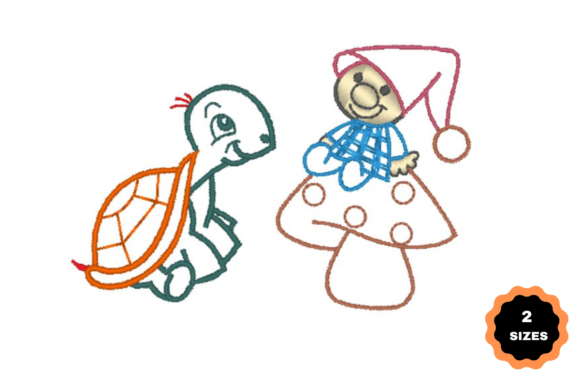
When you first load Turtle with Cute Baby, the immediate takeaway is warmth. In the world of nursery decor and baby apparel, emotional connection drives sales. This design delivers that instantly. The composition features a parent turtle and a smaller companion, creating a narrative of protection and care that resonates deeply with parents and gift-givers.
The visual personality here is soft but distinct. Unlike overly complex scenes that can turn into a muddy mess of thread when stitched, this design relies on clean lines and recognizable shapes. The mood is gentle, making it ideal for baby embroidery projects like onesies, burp cloths, and crib mobiles. However, the charm doesn’t stop there. The same design translates surprisingly well to older demographics looking for home accents, such as kitchen towels or throw pillows, because the subject matter is universally appealing rather than strictly age-specific.
Real-World Application: From Scrap to Sale
I tested this design across several mediums to see how it holds up under pressure. Here is how it performed in actual production environments:
- Custom Apparel and Sweatshirts: On a cotton sweatshirt, the design stands out beautifully. The contrast between the thread and the fabric texture allows the details to pop. For sweatshirt embroidery, this works best on the chest area or centered on the back. It adds a premium feel without overwhelming the garment.
- Tote Bags and Canvas: A tote bag design needs to be bold enough to survive daily wear. Turtle with Cute Baby has enough visual weight to hold its own on heavy canvas. When paired with natural jute or sturdy cotton canvas, it looks artisanal and handmade, which is exactly what today’s consumer wants.
- Baby Items and Nursery Decor: This is the design’s natural habitat. Whether stitched onto a muslin blanket or a diaper bag, the soft aesthetic fits perfectly. It elevates a simple handmade product into a perceived luxury item, allowing you to charge a higher price point for your finished goods.
- Embroidered Patches: If you are adding borders or applique elements, this design serves as a strong focal point. It works well as a standalone patch for denim jackets or backpacks, offering a cute alternative to traditional logos.
Technical Performance and Stitch Quality
For the serious Etsy seller or small shop owner, the technical execution is just as important as the art. When evaluating any embroidery file, we look at stitch density, stability, and detail retention.
The design utilizes a mix of fill stitch and satin stitch techniques effectively. The fill areas provide a solid, smooth background that covers the fabric well, while the satin stitches define the outlines and key features of the turtles. This combination ensures that the design doesn’t look sparse or thin after washing. However, the success of this balance depends heavily on your setup.
One critical aspect is the stitch density. While generally well-balanced, certain areas may require attention depending on the fabric you choose. If you are stitching on a stretchy knit fabric, the tension might pull slightly if not stabilized correctly. This is where understanding your materials becomes non-negotiable for maintaining a professional finish.
Where to Exercise Caution
No design is perfect for every situation. There are specific scenarios where Turtle with Cute Baby might struggle, and knowing these beforehand will save you time and money.
- Small Hoop Sizes: If you are working with very limited hoop space, ensure the design fits comfortably with adequate margin. Crowding the edges can lead to trimming issues or misalignment during the jump stitches.
- Textured or Thin Fabrics: Avoid using this on highly textured fabrics like chunky knits or very thin sheers. The needle penetration might cause puckering, and the fine details could get lost in the weave. Stick to stable cottons, blends, or medium-weight canvases.
- Curved Surfaces: While it works on caps, curved surfaces like baseball hats require precise hooping techniques. If the curve is too extreme, the flat nature of the design might distort visually. Test this carefully before committing to a bulk order.
- Dense Stitch Areas: Be mindful of areas where stitches overlap densely. On dark fabrics, if the thread colors aren’t chosen with high contrast in mind, these areas can become stiff and uncomfortable against the skin, especially for baby clothes.
Strategic Advice for Designers and Sellers
To get the most out of this design, follow these practical steps before you start your final production run.
Test on Scrap Fabric First: Never assume a design will work perfectly on your target material. Always stitch a sample on the exact fabric you plan to sell. Check for color accuracy, stitch clarity, and overall drape.
Check Thread Color Contrast: The visual impact of Turtle with Cute Baby relies heavily on the relationship between the thread and the fabric. Use a printable mockup or a digital preview tool to compare light and dark fabric backgrounds. High contrast usually yields the most professional result, ensuring the design is legible from a distance.
Use Proper Stabilizer: This cannot be overstated. The right stabilizer prevents distortion and keeps the stitches crisp. For woven fabrics, tear-away stabilizer often works well. For knits or stretchy materials, cut-away stabilizer is usually necessary to maintain integrity over time, especially for items that will be washed frequently.
Inspect Small Details: Zoom in on the digital file. Are the tiny details sharp? Do they look clear in black and white? Sometimes color hides flaws that become obvious when the design is digitized. If the small details look fuzzy in the preview, they will likely stitch poorly.
Confirm Licensing: Before you list this as a commercial embroidery product or sell finished items, double-check the license terms provided by the designer. Ensure you have the rights to sell physical goods made from the design. This protects your crafter business and builds trust with your customers.
Final Verdict
Turtle with Cute Baby is a versatile, emotionally engaging design that fits seamlessly into the handmade product market. It bridges the gap between cute and classy, making it suitable for everything from personalized gifts to high-end custom apparel.
Its strength lies in its simplicity and universal appeal. It doesn’t try to do too much, which is exactly why it works so well. By paying attention to fabric choice, stabilization, and thread selection, you can produce a finished product that looks professionally made and sells quickly. For any embroidery project focused on warmth, comfort, and charm, this design is a strong asset in your design assets library.
Whether you are an experienced digital product seller or a hobbyist maker, taking the time to evaluate designs like this through a practical lens will elevate the quality of your work and the perception of your brand. Give it a test stitch, see how it feels, and let the results guide your next creative step.