Rabbit with Eggs and Carrots: A Designer's Holiday Review
As an embroidery designer who spends countless hours planning seasonal collections, I am always on the lookout for designs that capture the true spirit of a holiday while remaining practical for commercial production. Recently, I reviewed a new addition to my mental inventory called Rabbit with Eggs and Carrots. This piece immediately caught my attention not just for its charm, but for its versatility across a wide range of products. For any Etsy seller, small business owner, or apparel decorator looking to build a robust holiday collection, understanding how a specific design performs is crucial before adding it to your catalog.
The First Impression: Mood and Visual Appeal
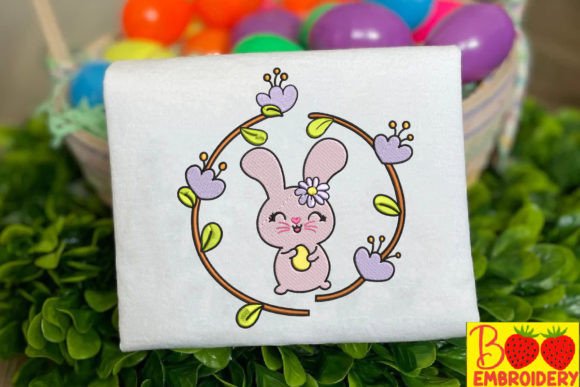
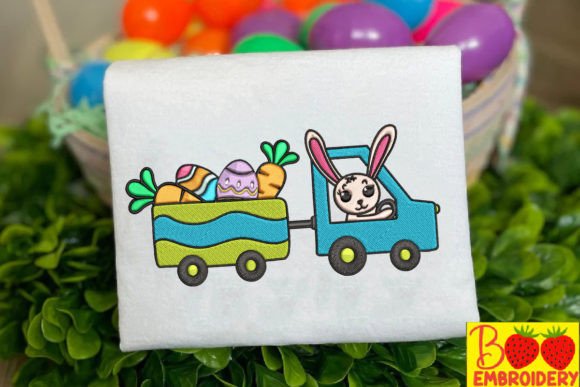
When you first look at Rabbit with Eggs and Carrots, the emotional tone is instantly set. It exudes a playful, nostalgic, and cozy vibe that resonates deeply with families preparing for spring celebrations. The design feels festive without being overly cluttered, striking a balance between cute and premium. In the world of digital embroidery files, finding a design that looks elegant on a high-end pillow cover yet remains approachable for a baby onesie is a rare feat. This piece manages to do exactly that.
The decorative style leans towards a modern rustic aesthetic, making it suitable for various brand identities. Whether your shop focuses on farmhouse decor, trendy streetwear, or traditional home goods, this machine embroidery design fits seamlessly into those narratives. The inclusion of eggs and carrots provides immediate visual recognition, signaling the season to shoppers within milliseconds. This level of clarity is essential for social media previews and product mockups where space is limited and impact must be instant.
Real-World Applications for Holiday Products
Building a seasonal shop collection requires thinking beyond a single item type. Rabbit with Eggs and Carrots demonstrates exceptional adaptability across multiple categories. Imagine a matching set for a family gift bundle: a sweatshirt embroidery for the parents featuring a larger version of the motif, paired with a smaller, adorable iteration on a child's tote bag design. The design scales well, allowing for creative consistency in personalized gifts.
In the kitchen and home decor sector, this design shines. On kitchen towel embroidery, the soft lines of the rabbit and the bright accents of the carrots create a cheerful focal point for Easter brunch preparations. Similarly, on a pillow cover, it adds a touch of seasonal warmth to living spaces. For craft fair displays, having this design printed on embroidered patches or applied to canvas bags can drive impulse buys. It transforms simple items into memorable keepsakes.
For apparel decorators, the possibilities extend to aprons, hats, and even canvas totes. A sweatshirt with this motif becomes a perfect limited edition apparel drop for the holiday season. When used on baby items like bibs or burp cloths, it taps into the market for sentimental handmade gifts. The design works equally well as a standalone statement or as part of a larger, themed arrangement, offering flexibility for both mass-produced items and one-of-a-kind creations.
Strategic Selling Scenarios and Market Fit
During peak holiday shopping periods, visual recognition drives sales. Rabbit with Eggs and Carrots offers strong brand consistency, helping customers identify your shop's unique style. When creating printable mockups for Etsy listings, this design allows you to showcase high-quality finished products that look ready to ship. Shoppers trust designs that appear crisp and professional in promotional graphics.
Consider the strategy of launching a "Spring Refresh" collection. Using this design on a mix of items—pillow covers, table linens, and wearable accessories—creates a cohesive narrative that encourages customers to buy multiple items. It enhances the perceived value of the entire collection. Furthermore, for social media engagement, short videos showing the stitching process of this design can generate significant interest, highlighting the texture and detail of the embroidery file.
However, success in selling these items depends on managing customer expectations regarding the finished product. By providing clear images of the design on different fabric textures, you build trust. Customers want to know how the thread colors will interact with their chosen garment. A well-executed seasonal embroidery project leads to repeat business and positive reviews, which are vital for long-term growth in the handmade gift market.
Critical Considerations and Design Limitations
While Rabbit with Eggs and Carrots is highly versatile, there are specific scenarios where caution is required. Not every surface is suitable for every design. Small hoop sizes may struggle to capture the full detail if the design is too intricate, potentially leading to a loss of definition in the rabbit's features. Tiny lettering, if included as part of a custom text option, might become illegible on narrow items like hat bands or curved caps.
Fabric choice plays a pivotal role in the final outcome. Thick towels can sometimes distort stitch density, causing the design to pucker or lose its shape. Dark fabrics present another challenge; unless the design includes a dense underlay or specific fill stitches, the thread colors may not pop as intended. Metallic threads, often used for a premium look, require careful handling and specific machine settings to prevent breakage or fraying, especially on stretchy garments like sweatshirts.
Items that need repeated washing, such as daily use aprons or children's clothing, must be stabilized correctly to ensure durability. If the stitch density is too high for the fabric weight, the material may become stiff and uncomfortable. Therefore, testing on the actual fabric type before bulk production is non-negotiable. Always verify the recommended hoop size and stabilizer type provided by the file creator to avoid ruining expensive materials.
Professional Designer Notes for Success
To ensure the highest quality output when using this digital embroidery file, several technical steps should be followed. First, test thread colors on both light and dark fabric samples to confirm contrast and vibrancy. The interplay of colors in Rabbit with Eggs and Carrots is key to its appeal, so selecting the right palette is essential for maintaining the design's integrity.
Check the stitch density carefully. If the design is too dense, it may cause puckering on lightweight fabrics; if too sparse, it may lack the necessary coverage for a professional look. Confirm the hoop size requirements before starting the run to ensure the design fits your machine's capabilities. Use proper stabilizer to support the fabric during stitching, particularly for items like tote bags or canvas that undergo stress during use.
Create realistic mockups that accurately represent the texture of the fabric and the depth of the stitches. This helps buyers visualize the commercial embroidery result before purchasing. Review small details after stitching to ensure no loose threads or skipped stitches mar the final appearance. Plan matching color palettes that align with current trends, whether that means pastel spring tones or vibrant primary colors.
Finally, confirm commercial licensing terms before selling finished seasonal products. While many embroidery designers allow the sale of items made from their files, some have restrictions on volume or specific product types. Ensuring you have the correct permissions protects your small shop product line from legal issues.
By approaching Rabbit with Eggs and Carrots with these practical considerations in mind, you can transform a simple design into a cornerstone of your holiday collection. It offers the perfect blend of seasonal charm and commercial viability, ready to delight customers and boost your sales during the busiest time of the year.