Pucker Up Buttercup Embroidery Design Review
As an experienced embroidery designer who has reviewed thousands of digital files for commercial use, I approach every new asset with a critical eye. When evaluating a design like Pucker Up Buttercup, the goal isn’t just to see if it looks pretty on a screen, but to determine if it holds up as a viable piece of small business merch. For owners of boutiques, cafes, bakeries, and handmade brands, every stitch represents your brand promise. This review breaks down how this specific Valentine’s Day-themed machine embroidery design performs in real-world production scenarios, from initial impression to final quality control.
First Impressions: Visual Personality and Brand Fit
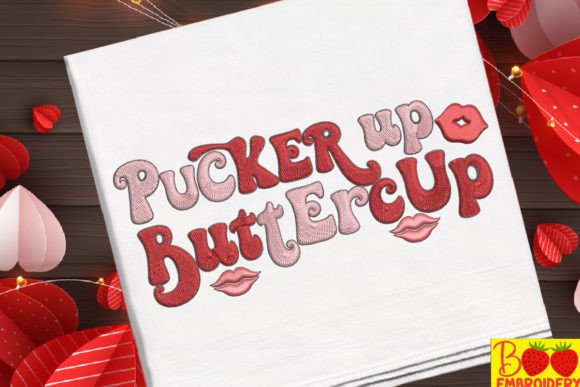
The title Pucker Up Buttercup immediately sets a tone that is playful, nostalgic, and slightly retro. In the world of embroidery file analysis, typography and theme are the first indicators of marketability. This design does not feel corporate or stiff; instead, it leans heavily into a handmade product aesthetic. It suggests warmth, approachability, and a touch of whimsy.
For small business owners, this personality is crucial. A design that feels too generic can get lost in the noise of mass-produced goods. However, Pucker Up Buttercup offers a distinct character. It works exceptionally well for businesses that want to project a friendly, customer-centric image. Whether you are running a local florist shop, a cozy café, or a boutique selling custom gifts, this design adds a layer of visual storytelling. It signals that your brand pays attention to detail and values personality over pure minimalism. The "Valentine’s Day" association, while seasonal, gives the design a timeless romantic flair that can be repurposed for anniversaries, weddings, or general expressions of love throughout the year.
Real-World Business Applications
When we move from concept to production, the versatility of Pucker Up Buttercup becomes apparent. Here is how it translates across various high-demand merchandise categories:
- Embroidered Patches: One of the most popular uses for designs with strong typographic elements is the creation of sew-on or iron-on patches. Pucker Up Buttercup likely features bold lettering that stands out well when digitized for patch use. These patches can be applied to denim jackets, backpacks, or tote bags, serving as a mobile advertisement for your brand.
- Apron Embroidery: For food-related businesses, such as bakeries or coffee shops, branded aprons are essential. This design fits perfectly on the chest pocket or upper back of an apron. It humanizes the staff and creates a welcoming atmosphere for customers. The playful nature of the text aligns well with the creative energy of kitchen teams.
- Cap Embroidery: Custom hats are a staple of commercial embroidery. If the design includes a compact logo element or a short phrase, it can be placed on the front panel of a cap. Ensure the font size is legible from a distance. A well-executed cap design boosts team unity and serves as walking billboards at craft fairs or pop-up markets.
- Tote Bag Design: Canvas totes are eco-friendly alternatives to plastic bags and are highly sought after by conscious consumers. Placing Pucker Up Buttercup on a sturdy canvas tote adds value to the item, making it desirable enough that customers will reuse it, thereby extending your brand’s visibility.
- Custom Apparel and Work Shirts: Beyond aprons and caps, this design can be adapted for work shirts or promotional t-shirts. It works well as a sleeve accent or a back-print detail, breaking up solid colors with a focal point that draws the eye.
Strategic Placement and Cautionary Areas
While the design has strong potential, not every application is created equal. As a designer, I advise caution in specific scenarios to ensure the finished product meets professional standards.
Small Patch Sizes: If you plan to scale this design down to a very small size (under 2 inches), you must evaluate the stitch density and fine details. Tiny lettering can become muddy or illegible if the digitization is not precise. Always test the design at its intended final size before committing to bulk production.
Curved Surfaces and Cap Fronts: Embroidering on curved surfaces like the front of a baseball cap requires careful hooping and stabilization. Text-based designs can distort if the fabric stretches unevenly during stitching. Use a rigid hoop or a specialized cap frame to maintain the integrity of the lettering.
High Stitch Density: Designs with heavy fill stitches can become stiff and uncomfortable, especially on lightweight fabrics. If Pucker Up Buttercup utilizes dense shading or thick outlines, consider using a softer backing material or selecting a lighter thread color to reduce the visual weight.
Fabric Texture and Dark Uniforms: On textured fabrics like heavy wool or rough linen, fine details may be obscured. Similarly, on dark uniforms, ensure there is sufficient contrast between the thread colors and the base fabric. A light-colored design on a dark background may require a underlay stitch to prevent the fabric texture from showing through the embroidery.
Impact on Brand Identity and Customer Trust
In the competitive landscape of Etsy branding and online retail, visual consistency is key. Using a cohesive set of design assets helps build recognition. Pucker Up Buttercup contributes to a brand identity that feels authentic and curated. Customers associate high-quality embroidery with durability and care. When a customer sees a neatly stitched, well-designed patch on a product, it subconsciously elevates their perception of the product value.
Furthermore, personalized touches like this design foster buyer engagement. A unique embroidered detail makes a gift feel more special and thoughtful. For small businesses, this emotional connection can lead to repeat purchases and positive word-of-mouth referrals. By investing in quality machine embroidery design choices, you signal to your audience that you prioritize craftsmanship.
Practical Designer Notes for Production
Before integrating Pucker Up Buttercup into your inventory, follow these essential steps to ensure success:
- Test in Black and White: Convert the design to monochrome to check the balance of negative space and line thickness. This helps identify any areas that might look cluttered or unbalanced.
- Check Small Patch Size Legibility: Zoom in on the digitized file. Are the letters distinct? Is the spacing consistent? Poor spacing can cause threads to tangle or break.
- Review Thread Color Contrast: Select thread colors that complement your target fabric. High contrast ensures readability, while low contrast can create a subtle, elegant look depending on your brand goals.
- Inspect Spacing and Alignment: Ensure the text is centered and aligned correctly within the hoop area. Misalignment can make even a great design look amateurish.
- Confirm Hoop Size: Verify that the design dimensions fit within your standard hoop sizes. This prevents unnecessary trimming or re-hooping during production.
- Test on Real Fabric: Never trust a digital mockup alone. Stitch the design on the actual fabric type you plan to sell. Different materials react differently to tension and stabilizers.
- Use Proper Stabilizer: Choose the right stabilizer (cut-away, tear-away, or water-soluble) based on the fabric’s stretchiness and the design’s complexity. This is critical for preventing puckering.
- Create a Printable Mockup: Before producing physical samples, generate a high-quality printable mockup for client approval or marketing materials. This allows you to visualize the design in context without wasting resources.
- Compare Beside Other Assets: Place the design next to your other design assets to ensure it fits your overall visual language. Does it clash or complement?
- Confirm Commercial Licensing: Most importantly, verify that you have the appropriate commercial license to sell products made with this digital embroidery file. Unauthorized use can lead to legal issues.
By carefully evaluating Pucker Up Buttercup through these practical lenses, you can confidently decide whether it deserves a spot in your small business merch lineup. When executed with precision, this design has the potential to become a standout feature that delights customers and strengthens your brand’s reputation for quality and creativity.