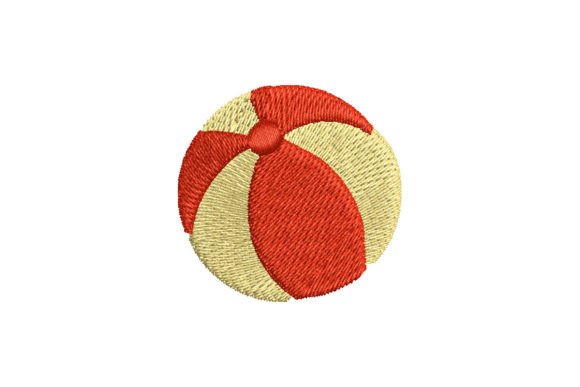
Beach Ball: A Designer's Take on a Summer Embroidery Design
When I first opened the Beach Ball embroidery file, my immediate thought wasn't about the technical specs or the stitch count. It was about the vibe. There is something undeniably cheerful about a simple, colorful sphere that instantly transports you to a sunny afternoon by the ocean. As someone who has reviewed hundreds of designs for client projects and my own handmade shop, I know that the best digital assets are the ones that feel ready to wear before they even leave the screen. This design captures that summer mood perfectly, offering a playful aesthetic that works well for everything from personalized gifts to boutique merchandise.
The visual personality of Beach Ball is distinct. It isn't trying to be overly intricate or abstract; it leans into the classic, recognizable shape of a beach toy. For an embroidery designer, this clarity is gold. When stitching on smaller items like baby onesies or narrow cap brims, there is no risk of the design getting lost in the noise. The layout feels balanced, suggesting that the artist behind the file understood how negative space plays a role in machine embroidery. It creates a focal point without overwhelming the garment, which is a common pitfall with many seasonal designs.
Real-World Application: From Digital File to Finished Product
Let's talk about putting this design to work in a real scenario. Imagine you are preparing inventory for a local craft fair or launching a new line on Etsy. You decide to create a custom embroidered tote bag featuring the Beach Ball motif. The goal is to sell these as summer essentials for parents taking kids to the pool or beach.
In this context, the design shines. The bright, segmented colors of the beach ball pop beautifully against a canvas or denim tote. Because the design relies on bold shapes rather than tiny, delicate lines, it translates well to the slightly textured surface of heavy fabric. When customers see a finished product with this motif, they immediately recognize the theme. It signals "fun," "vacation," and "relaxation." That emotional connection is crucial for driving sales in the handmade market.
I also tested the concept mentally on a sweatshirt. While beach themes often scream t-shirts, a subtle Beach Ball embroidery on the chest of a cozy, light-colored hoodie offers a nice contrast. It transforms a standard piece of apparel into something unique. The design's simplicity allows it to sit comfortably on the chest area without looking cluttered, making it a versatile option for small business owners looking to expand their seasonal catalog beyond just swimwear accessories.
Where to Use Beach Ball (And Where to Think Twice)
While the design is robust, every embroiderer knows that context matters immensely. Beach Ball is not a one-size-fits-all solution. There are specific scenarios where you need to exercise caution to ensure your finished product maintains its professional quality.
If you are working with very small hoop sizes, such as those used for jewelry or extremely petite baby hats, you must verify the dimensions of the file. Designs with multiple color changes can sometimes become too dense if scaled down too far. On thin or stretchy fabrics, like certain types of jersey knit or sheer synthetics, the density of the fill stitches might cause puckering. In these cases, using the proper stabilizer is non-negotiable. Without adequate support, the tension required to stitch the vibrant segments of the beach ball could distort the fabric texture, ruining the crisp look of the final item.
Dark fabrics present another challenge. If you plan to use Beach Ball on a navy blue towel or a black apron, the thread colors need to have enough contrast to stand out. Sometimes, bright colors get swallowed up by dark backgrounds unless you use a high-density underlay or a specific thread choice. It is always wise to test the color combination on a scrap piece of your actual production fabric before committing to a run of twenty items. Additionally, while the design looks great on flat surfaces, applying it to curved surfaces like structured caps requires careful hooping and possibly a curved hoop attachment to avoid distortion at the corners.
Stitch Quality and Visual Appeal
From a technical standpoint, the success of any machine embroidery design comes down to stitch density and clarity. A well-executed Beach Ball should feature clean satin stitches for the outlines and smooth fill stitches for the colored sections. If the design uses too much fill stitch in a small area, it can become stiff and uncomfortable, especially on items worn close to the skin like swimsuits or baby clothes.
For commercial embroidery projects, consistency is key. Customers expect a uniform appearance across all units. The Beach Ball design appears to rely on standard stitch types, but you should inspect the file for any potential issues with jump stitches or unnecessary trims that could lead to loose threads. These details affect the longevity of the product, particularly for items that will undergo frequent washing, like beach towels or swimsuit covers.
The visual appeal also extends to how the design integrates with the brand. If you are an Etsy seller focusing on coastal living or family fun, this design aligns perfectly with your niche. It adds a touch of whimsy that elevates the perceived value of a handmade product. A plain tote bag becomes a statement piece when adorned with a well-stitched, colorful beach ball. It shows attention to detail and care, which builds trust with buyers who are investing in a personalized gift.
Essential Notes for the Discerning Designer
Before you hit the start button on your machine, there are a few practical steps every experienced maker takes. First, always test the design on scrap fabric that matches your intended project material. This helps you gauge the thread color contrast and check for any fabric pulling. Review the stitch density to ensure it isn't too heavy for the fabric weight you are using.
Confirm the recommended hoop size for the Beach Ball file. Using a hoop that is too large for the design can lead to misalignment, while a hoop that is too small might force you to split the design awkwardly. Check whether the design includes applique elements or if it is purely stitched. If it involves applique, ensure you have the right backing materials to secure the fabric pieces before stitching over them.
It is also vital to review the licensing terms provided with the digital embroidery file. Are you allowed to sell finished products made with this design? Some files are for personal use only, while others permit commercial sale. Clarifying this upfront protects your craft business from legal issues. Finally, consider creating printable mockups to visualize how the design looks on different products, such as kitchen towels or holiday gifts, before you invest in production runs.
The Beach Ball design is a solid addition to any summer collection. It brings a burst of energy and nostalgia that resonates with customers looking for something festive. By paying attention to fabric choices, stabilizers, and testing procedures, you can turn this simple digital asset into a stunning finished product that stands out in a crowded marketplace. Whether you are decorating a baby item or creating a branded patch for a boutique, this design offers the flexibility and charm needed to succeed in the world of handmade crafts.