Be Mine Wine: A Designer's Review for Small Business Merch
As an experienced embroidery designer who has spent years refining designs for everything from boutique uniforms to high-volume corporate giveaways, I approach every new machine embroidery design with a critical eye. When I first encountered the Be Mine Wine concept, my initial thought was not about holiday decoration, but rather its potential as a strategic asset for small business owners and craft entrepreneurs. In a market saturated with generic templates, finding a design that balances playful personality with professional execution is rare. This review explores how the Be Mine Wine design fits into the real-world workflow of apparel decorators, Etsy sellers, and brand managers looking to elevate their small business merch.
First Impressions: Personality Meets Professionalism
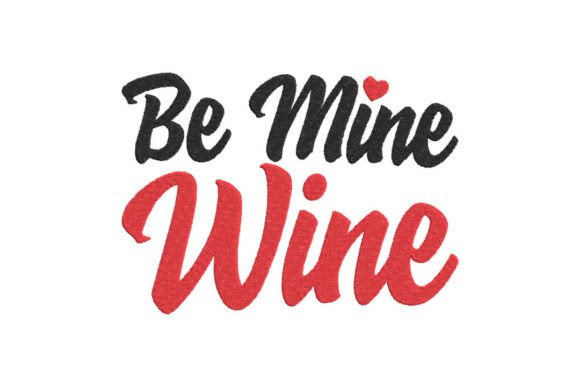
The title alone suggests a blend of sophistication and fun, which is exactly what modern brands need to stand out. For a Valentine S Day collection or a year-round wine-themed boutique, this design offers more than just a seasonal gimmick; it provides a distinct visual voice. The description highlights that it is "fun and easy to stitch," a phrase that resonates deeply with production environments where efficiency matters. However, in the world of embroidery file analysis, ease of stitching must never come at the cost of durability or clarity.
Visually, the design appears to lean towards a friendly, slightly rustic aesthetic. It feels approachable, making it ideal for bakeries, florists, pet brands, and creative studios that want to convey warmth. Unlike stark, corporate logos, Be Mine Wine invites engagement. It signals that the brand behind it cares about details and enjoys connecting with customers on a human level. This emotional connection is crucial when building brand identity through tactile mediums like fabric.
Real-World Application: From Patches to Aprons
The true test of any digital embroidery file lies in its versatility across different product categories. I have analyzed how Be Mine Wine could function as a core element in various commercial projects:
- Embroidered Patches: One of the most profitable applications for this design is creating custom patches. These can be sold as standalone accessories or attached to denim jackets, beanies, and tote bags. The design's likely bold outlines would hold up well as a patch, provided the backing is chosen correctly to prevent fraying.
- Staff Uniforms and Aprons: For a café or bakery, adding a subtle Be Mine Wine accent to staff aprons creates a cohesive team look without being overwhelming. It serves as a conversation starter between employees and customers, enhancing the handmade product feel of the service.
- Cap Embroidery: While cap fronts are challenging due to curvature, a well-executed version of this design could work as a chest logo accent. It adds a touch of whimsy to standard work shirts, helping staff members feel proud to wear the brand.
- Tote Bag Design: Tote bags are the ultimate marketing tool. A Be Mine Wine motif on a canvas bag turns a simple utility item into a walking advertisement. The design's playful nature makes it perfect for gift sets, increasing the perceived value of the finished product.
- Product Packaging Accents: Beyond apparel, this design can be embroidered onto tags, hangtags, or even small fabric swatches used to wrap premium items. This attention to detail elevates the unboxing experience for online shoppers.
Critical Considerations: Where Caution is Required
Despite its charm, no single design is universally applicable. As a designer, I must warn against using Be Mine Wine in scenarios where detail loss is a risk. If the design contains intricate lettering or fine lines, placing it on a small patch size might result in a muddy appearance once stitched. Similarly, attempting to embroider complex elements on curved surfaces like the front of a baseball cap requires precise digitizing adjustments to avoid puckering.
Stitch density is another factor to monitor. Designs with high stitch counts can make fabric stiff, which is undesirable for lightweight materials or garments that require frequent washing. If the Be Mine Wine design includes dense satin stitches for text, it may not withstand the rigors of industrial laundering on dark uniforms unless proper stabilizers are used. Furthermore, textured fabrics like heavy wool or bouclé can obscure the finer details of the design, so testing on the actual material is non-negotiable.
Impact on Brand Identity and Customer Trust
In the competitive landscape of handmade goods and local retail, visual consistency is key. A well-chosen embroidery design reinforces brand identity by communicating values before a word is spoken. Using Be Mine Wine strategically tells a story of creativity and joy. It suggests that the business is willing to invest in quality presentation, which directly influences customer trust and recognition.
When customers see a professionally executed design on a tote bag or apron, they perceive higher value in the products themselves. This perception drives engagement and encourages repeat purchases. Conversely, a poorly executed design can detract from the brand's professionalism. Therefore, ensuring that the Be Mine Wine design is applied correctly is essential for maintaining a premium image.
Designer Notes: Pre-Production Checklist
Before committing to a large run of commercial embroidery, I strongly advise following these practical steps to ensure success:
- Test in Black and White: Create a monochrome mockup to verify that the design holds its shape and legibility without relying on color contrast.
- Check Stitch Density: Review the file settings to ensure the stitch count is appropriate for the intended fabric. Avoid designs that are too dense for light materials.
- Review Thread Colors: Select thread colors that offer high contrast against your target fabric. Dark uniforms require light threads, while light fabrics need darker shades for visibility.
- Inspect Spacing and Hoop Size: Confirm that the design fits within the standard hoop sizes you use. Ensure there is adequate spacing between elements to prevent tangling during the stitching process.
- Test on Real Fabric: Never guess. Stitch the design on the exact fabric you plan to use for production to check for puckering, distortion, or stability issues.
- Use Proper Stabilizer: Match the stabilizer type (cut-away, tear-away, or adhesive) to the weight and stretch of the fabric to maintain the integrity of the embroidered patch or logo.
- Create a Printable Mockup: Before production, generate a realistic mockup for client approval. This allows stakeholders to visualize the final product on items like caps or aprons.
- Compare Against Other Assets: Place the design alongside your existing brand graphics to ensure visual consistency and tonal alignment.
- Confirm Commercial Licensing: Verify that you have the legal right to use the Be Mine Wine design for resale purposes. Many digital files are restricted to personal use only.
The Be Mine Wine design represents a valuable addition to the toolkit of any entrepreneur looking to expand their design assets. By understanding its strengths and limitations, you can transform a simple Valentine's Day concept into a lasting component of your brand's visual language. Whether you are decorating a batch of aprons for a grand opening or creating limited-edition patches for a pop-up shop, this design offers the flexibility to deliver both style and substance.
Remember, the success of your custom apparel line depends on the quality of the execution. Take the time to test, refine, and approve each iteration. With careful planning, Be Mine Wine can become a signature element that customers associate with your unique brand identity.